About
Fifteen years of teaching Argentine tango through body mechanics and embrace, and why it shifts your mood in ways people notice right away.
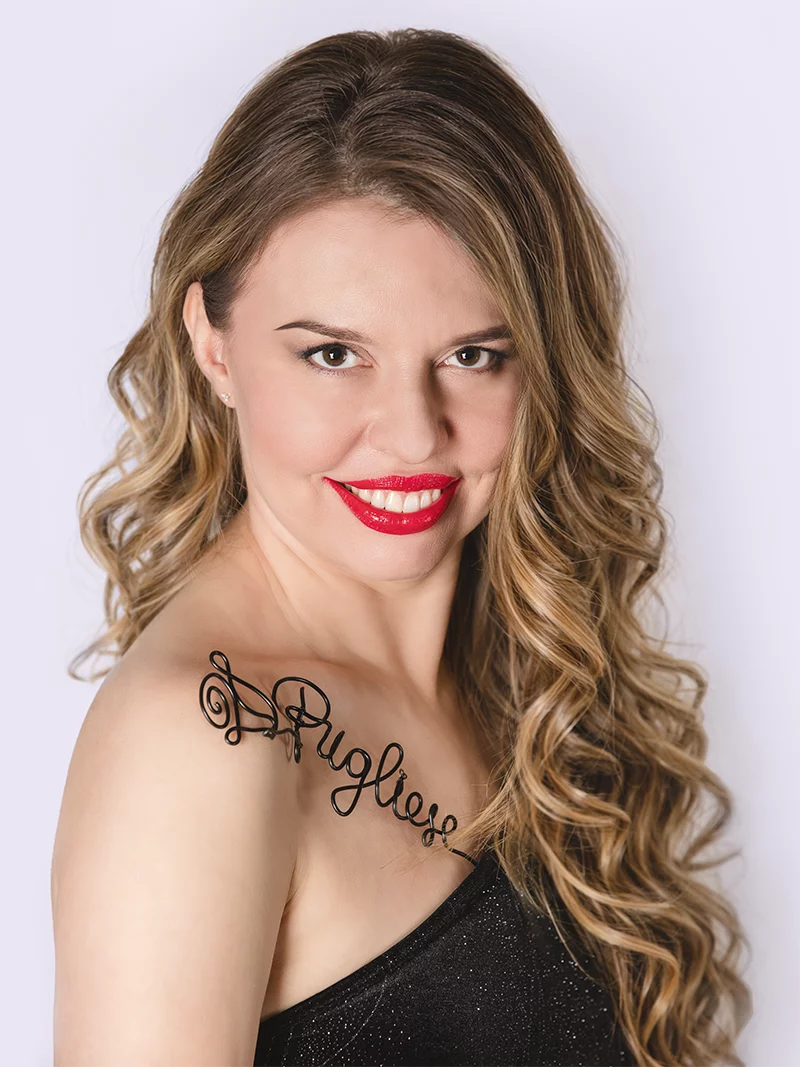
Argentine tango is built on connection: two people listening to each other through embrace and improvisation, without a set sequence of steps to fall back on. I teach it through body mechanics, the physical logic underneath the steps rather than the steps themselves. Technique built this way stays with the body long after class ends, unlike steps that only work as a memorized sequence.
Fifteen years of teaching have also given me a working knowledge of the music and cultural history that shape how tango is danced. Beyond technique, tango has an effect that few other activities match: it shifts your mood in ways people notice right away.
Now based in Brussels, I focus on what matters most in a lesson: the quality of the embrace, musical connection, and the ability to communicate through movement. My approach is practical and personal — I work with each student's body and temperament, not a one-size-fits-all method.
I teach all my group classes in English, which makes them especially popular with Brussels' international and expat community. I also offer private tango lessons for dancers who want focused attention on a specific goal — fixing the embrace, improving balance, preparing for a milonga, or working on musicality.
When I'm not teaching, you'll find me behind the decks — curating tandas as a tango DJ for milongas in Brussels, Paris, and across Europe. A good DJ doesn't just play music: they read the room, build energy, and shape moments dancers remember long after the last vals.
I speak fluently English, Ukrainian, and Russian — tango is my fourth language. Beyond tango, I also teach Argentine folklore dance — chacarera, zamba, and other Argentine folk traditions that most people outside Argentina never get to experience.
Teaching Philosophy
After teaching for over 15 years in 19 countries, I've seen every body type, every learning style, and every plateau. That experience means I can identify what's holding you back quickly — often in the first few minutes — and give you a clear path forward.
I don't teach figures for the sake of figures. My classes focus on the fundamentals that make everything work: axis, embrace, musicality, walking, and the subtle art of leading and following with intention. When these foundations are strong, the vocabulary comes naturally.
I believe tango is for everyone. You don't need to be athletic, young, or coordinated. You need to be curious and willing to listen — to the music, to your partner, to your own body. The rest is practice.
Having danced in Buenos Aires and across the world, I bring an international perspective that goes beyond technique. I teach the culture of Argentine tango (very different from ballroom tango!): how to navigate a crowded floor, how to invite someone with a cabeceo, how to build connection in the three minutes of a tango. These are the things that make tango a way of life, not just a dance class.
Specialisations
The most common frustration in tango: "I've been dancing for years but my embrace still doesn't feel right." I specialise in diagnosing and correcting posture, axis, and embrace issues (see the 5 most common tango mistakes) — often the root cause of many other problems. Individual tango correction sessions are available as private lessons.
Understanding tango music transforms your dancing overnight. I teach musicality as a practical skill: hearing the structure, recognising orchestras, phrasing with the melody, playing with rhythm. My experience as a tango DJ gives me a uniquely deep understanding of the music that I bring to every class.
Ready to go to your first milonga? Nervous about navigation, the cabeceo, or dancing in a crowded room? I run milonga preparation workshops and private sessions specifically designed to bridge the gap between class and the dance floor.